 Level 3 of 3Results in 3 days
Men's health Max
Sample: Blood
Most men wait for a reason to get checked. You do not have to. Men’s Health MAX looks across the major areas worth checking in men, including cardiovascular risk, blood sugar, liver and kidney function, iron status and prostate health. It gives you a broad view in one test, instead of checking one organ, one symptom or one number at a time. It makes sense when something feels off, when you want a proper annual check, or when you simply want to know that the important areas have actually been looked at.
€170.00
- 1. Come in fasting (12 hours). You can drink water. Keep taking your usual medication unless your doctor says otherwise. Bring your confirmation and an ID.
- 2. Best done first thing in the morning, as soon as the lab opens.
These are general recommendations. Check the preparation for your tests with your doctor.
- Sample: Blood
- Results in3 days
- Fasting12h required
- Complete blood count (CBC): Complete blood count: red cells, white cells, platelets.
- Glucose: The amount of sugar in your blood. It shows how well your body manages sugar, and it's usually measured after fasting so the result is easy to compare.
- HbA1c (glycated haemoglobin): Your average blood sugar over the last two to three months. One day of eating doesn't change it, so it shows the bigger picture.
- Total Protein: All the proteins in your blood, including albumin and the antibodies that defend your body. It gives a general picture of your nutrition and your liver.
- AST (GOT): An enzyme found in your liver and your muscles. It can rise when either is under strain, including after hard exercise.
- ALT (GPT): An enzyme found mainly in your liver. It's one of the most direct markers of how your liver is doing.
- GGT: A liver enzyme that reacts to alcohol and some medicines. It helps explain your other liver results.
- Alkaline Phosphatase (ALP): An enzyme found mainly in your liver and your bones. It's read together with your other liver markers.
- Total Bilirubin: A yellow substance made when old red blood cells are broken down, then cleared by your liver. Some people naturally have slightly higher levels.
- Albumin: The main protein in your blood, made by your liver. It keeps fluid inside your blood vessels and carries hormones, nutrients and medicines.
- Urea: A waste product your liver makes from protein. Your kidneys remove it from the blood. Paired with creatinine, it gives a fuller picture of kidney filtration and protein metabolism.
- Creatinine: A waste product your muscles make every day as they use energy, which your kidneys filter out of your blood and send into your urine. Because its level rises when the kidneys filter less, it is the starting point for calculating eGFR, and it can also go up with high muscle mass, a lot of red meat, intense exercise or not drinking enough water.
See all 29 markers
- eGFR (Glomerular Filtration): A calculated score of how well the kidneys filter waste per minute. More precise than creatinine alone.
- Sodium: The main salt in your body fluids. It helps control your water balance, and your kidneys keep it at a steady level.
- Potassium: A mineral your muscles and heart need to work properly. Your kidneys control how much of it stays in your blood.
- Chloride: Works with sodium to keep your body fluids and acid balance stable. It is usually read together with sodium and potassium.
- Ferritin: Shows how much iron your body has stored. It can also rise when your body is dealing with inflammation.
- Serum Iron (Sideremia): How much iron is circulating right now. Not the same as ferritin - this is the immediate snapshot, not the stored reserve.
- Total iron-binding capacity (TIBC): How much iron your blood could carry if every iron-carrying protein were full. It rises when your iron stores run low, so it shows whether your body is looking for more iron.
- Transferrin: The main protein that carries iron through your blood, made by your liver. Your body makes more of it when iron runs low, so it shows how your body is managing its iron supply.
- Transferrin saturation index: How much of the protein that carries iron in your blood is actually carrying it. The lab calculates it from your serum iron and TIBC, and it shows whether iron is getting where it's needed.
- Magnesium: A mineral your muscles, nerves and heart need to work properly. It also helps your body turn food into energy.
- Total PSA: A protein made by your prostate, used to check how your prostate is doing. This result measures all the PSA in your blood, and it can rise for many everyday reasons, like age, cycling or ejaculation in the 48 hours before the test.
- Total Cholesterol: All the cholesterol in your blood. Your body needs it to build cells and hormones, and it's read together with LDL, HDL and triglycerides.
- HDL Cholesterol: The cholesterol carried back to your liver to be cleared. Higher levels are generally a good sign.
- LDL Cholesterol: The cholesterol carried from your liver to the rest of your body. When it's high, it can build up in the walls of your arteries.
- VLDL Cholesterol: Carries triglycerides through the blood. Elevated VLDL is a cardiovascular risk signal on top of LDL.
- Triglycerides: The most common type of fat in your blood, used by your body for energy. They rise after a meal, so they're measured after fasting.
- Atherogenic risk (TG/HDL ratio and non-HDL cholesterol): Two numbers worked out from your cholesterol results. The TG/HDL ratio hints at small, dense LDL particles, and non-HDL cholesterol adds up every particle that can clog an artery. Both help your doctor judge heart risk beyond the single LDL figure.

Men's Health MAX
A proper men's health blood test should do more than tell you whether one isolated number happens to fall inside a reference range.
Men's Health MAX brings several of the most useful areas of routine health testing into one blood draw, covering blood cells, glucose control, cardiovascular markers, liver and kidney function, iron status, minerals and PSA. It is designed for men who want a broad health check rather than chasing one marker at a time.
What's included
Men's Health MAX combines 25 measurements and profiles covering several different areas of health.
Blood count
- Complete blood count (CBC): measures red blood cells, white blood cells and platelets. It can provide useful information about anaemia, infection and other changes in the blood.
Blood sugar
- Fasting glucose: shows the amount of glucose in your blood at the time of the test.
- HbA1c: reflects average blood glucose over roughly the previous two to three months, giving a longer-term view than fasting glucose alone.
Cholesterol and cardiovascular health
- Total cholesterol: measures the overall amount of cholesterol in your blood.
- LDL cholesterol: often referred to as LDL or "bad" cholesterol and commonly used when assessing cardiovascular risk.
- HDL cholesterol: measures HDL cholesterol, which is interpreted alongside the rest of your lipid profile.
- Triglycerides: another type of fat circulating in the blood and an important part of a standard lipid profile.
Liver function
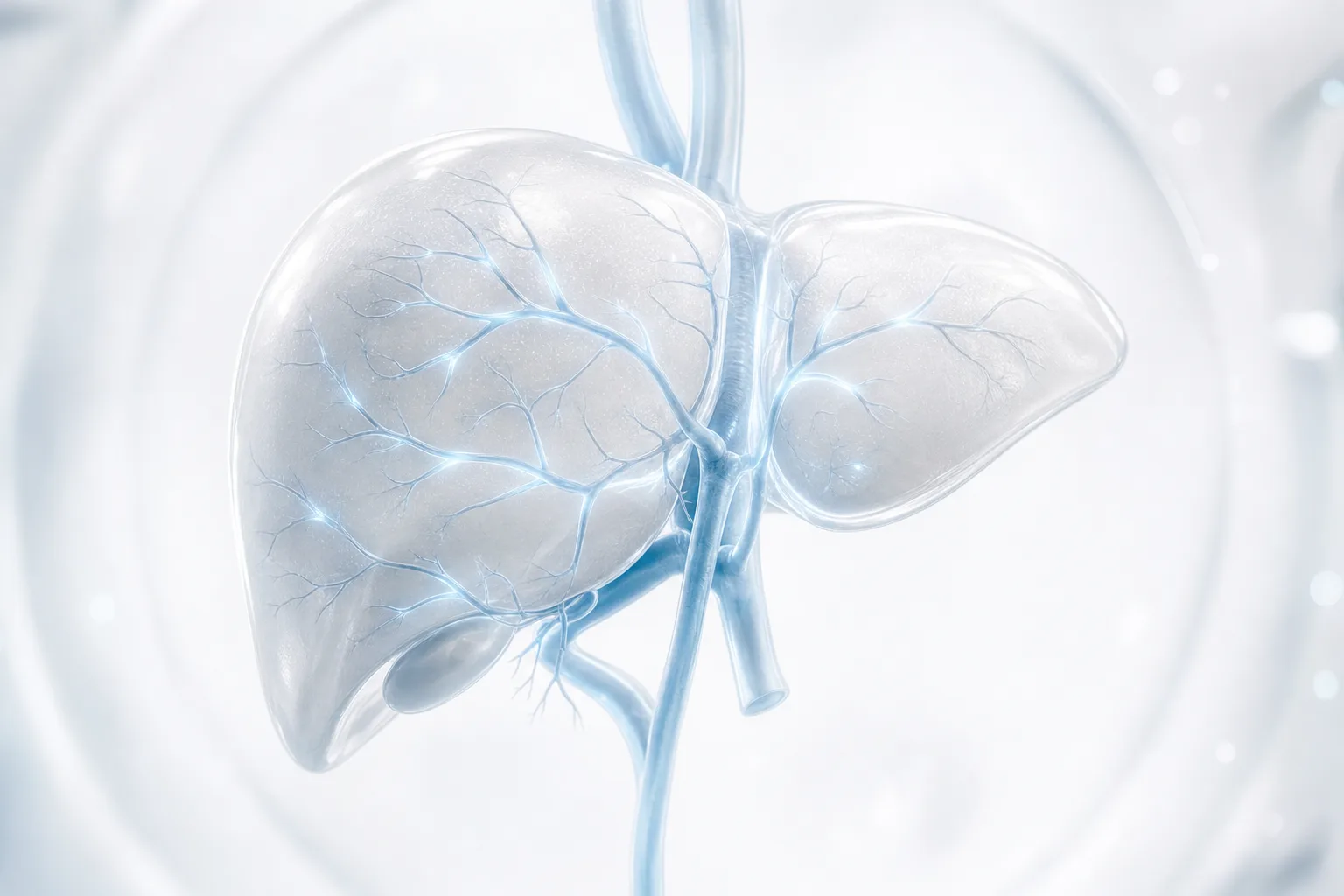
The panel includes AST, ALT, GGT, alkaline phosphatase, total bilirubin and albumin. Together, these provide several different views of liver function rather than relying on a single liver marker.
Kidney function
- Creatinine and eGFR: used together to assess how effectively the kidneys are filtering the blood.
- Urea: another waste product that adds context to kidney function and protein metabolism.
- Sodium, potassium and chloride: electrolytes regulated partly by the kidneys and important for fluid balance, nerves and muscles.
Iron and minerals
- Serum iron, ferritin and transferrin saturation: provide a broader look at iron availability and iron stores than checking serum iron alone.
- Magnesium: an essential mineral involved in muscle, nerve and many metabolic functions.
Prostate marker
- Total PSA: prostate-specific antigen is a protein produced by prostate tissue. It is included as a prostate marker and should always be interpreted in context by a healthcare professional.
The panel uses a blood sample.
Why these markers together
Health does not organise itself neatly into separate boxes.
Blood sugar affects cardiovascular risk. Kidney function influences fluid and mineral balance. Iron status can matter when investigating tiredness or changes in exercise tolerance. Liver markers can change without producing obvious symptoms. Cholesterol becomes more meaningful when the different parts of the lipid profile are read together rather than looking only at total cholesterol.
That is why a broad men's health check can be more useful than ordering one test because one symptom sent you down a Google rabbit hole.
Men's Health MAX looks across several systems at once. The goal is not to turn every healthy person into a full-time biomarker analyst. It is to give you and your doctor enough information to see whether the major areas included in the panel look as expected and whether anything deserves a closer look.
PSA adds a men's health-specific marker to that broader picture. It does not diagnose prostate cancer, and an elevated result can have several causes, but it can provide information your doctor may want to consider alongside your age, history and other factors.
Who it's for
This panel is designed for men who want a broad blood test rather than a narrowly targeted investigation.
It can make sense as part of a routine health check, particularly if it has been a while since you last had blood work done. It may also be useful when you want to discuss general cardiovascular or metabolic health with your doctor, or when you have several questions and do not yet know whether one particular organ or marker deserves the attention.
People often consider a broader blood test when looking into things such as:
- persistent tiredness or feeling generally off
- changes in weight or metabolism
- family history of high cholesterol, diabetes or cardiovascular disease
- previous abnormal cholesterol or glucose results
- concerns about liver or kidney health
- possible iron deficiency or changes in iron stores
- a general men's health check that includes PSA
Those reasons do not mean the blood test will identify a single cause. Tiredness, weight changes and other common symptoms can come from many different places.
The advantage of a broader panel is that you are giving your doctor considerably more useful information than one isolated result.
How to prepare
Men's Health MAX requires a blood sample.
Because the panel contains multiple measurements that can be influenced by preparation, follow the instructions provided with your test before visiting the laboratory.
Tell your doctor about medication and supplements when discussing your results, particularly if you already take treatment for cholesterol, blood pressure, diabetes, iron deficiency or another condition being monitored through blood tests.
Do not stop prescribed medication because you are having a blood test unless the healthcare professional managing your treatment has specifically told you to do so.
If you have previous laboratory reports, keep them. A current result is useful, but seeing whether something has changed can add important context.
Reading your results
Twenty-five measurements mean twenty-five opportunities to stare suspiciously at an asterisk.
Fortunately, an asterisk is not a diagnosis.
Laboratory reference ranges show where your result sits compared with the range used by that laboratory. A result outside the range can have many explanations, while a result inside the range does not automatically answer every health question.
The useful part is how the results fit together.
Your doctor might look at fasting glucose together with HbA1c when assessing blood sugar. Total cholesterol makes more sense beside LDL, HDL and triglycerides. Creatinine becomes more informative alongside eGFR and the rest of the kidney-related results. Iron, ferritin and transferrin saturation tell a more complete story together than serum iron by itself.
The same principle applies to liver markers. One value should not be expected to explain the entire organ.
PSA needs particular care with interpretation. A higher PSA result is not a diagnosis of prostate cancer. PSA can vary for several reasons, so the result should be discussed with a healthcare professional who can decide whether anything further is needed.
Rather than asking whether every number is "good" or "bad", take the report to your doctor and ask which results matter in your particular situation.
Getting it with Diagnostic Station
You can buy Men's Health MAX online through Diagnostic Station and go to an available partner laboratory during its collection hours.
The panel is already defined before purchase, so you can see exactly what is being tested rather than arriving at the laboratory with a vague request for "a full blood test".
Diagnostic Station works with partner laboratories in Spain, with testing available through locations including Barcelona, Madrid, Valencia and Málaga depending on the selected test and location.
The laboratory handles the blood draw, analysis and results. You can then take the laboratory report to your own doctor for interpretation or use it as part of an existing medical follow-up.
Frequently asked questions
What blood tests should men have for a general health check?
There is no single blood test that every man needs. A general health panel commonly looks at areas such as blood count, glucose, cholesterol, liver and kidney function, while the appropriate tests depend on age, medical history and individual risk factors. Men's Health MAX also includes iron markers, minerals and total PSA.
What does a full men's health blood test include?
Men's Health MAX includes a complete blood count, fasting glucose, HbA1c, a lipid profile, liver and kidney markers, electrolytes, iron studies, magnesium and total PSA. The exact contents of any "full health check" can vary, so it is worth checking the marker list rather than relying on the name alone.
Does this test check cholesterol?
Yes. The panel includes total cholesterol, LDL cholesterol, HDL cholesterol and triglycerides, giving you a full standard lipid profile rather than total cholesterol alone.
Does this test check for diabetes?
It includes fasting glucose and HbA1c, two commonly used measurements of blood glucose control. A blood test result alone should not be used to diagnose or exclude diabetes without appropriate medical interpretation.
Does the panel check liver function?
Yes. It includes AST, ALT, GGT, alkaline phosphatase, total bilirubin and albumin, giving several different measurements related to liver function.
Does it check kidney function?
Yes. Men's Health MAX includes creatinine, estimated glomerular filtration rate (eGFR), urea and the electrolytes sodium, potassium and chloride.
Does it check iron levels?
Yes. It includes serum iron, ferritin and transferrin saturation. Looking at these together gives more information about iron status than serum iron alone.
Does Men's Health MAX include PSA?
Yes. The panel includes total PSA, or prostate-specific antigen. PSA is a prostate marker, but an elevated PSA does not by itself diagnose prostate cancer and should be interpreted by a healthcare professional.
Is PSA the same as a prostate cancer test?
No. PSA is a marker produced by prostate tissue, and its level can change for several reasons. Doctors use PSA as one piece of information when assessing prostate health, not as a standalone diagnosis of prostate cancer.
Is this a good annual blood test for men?
It can be used as a broad routine health check because it covers several major areas in one panel. How often you should repeat blood tests depends on your age, medical history, previous results and individual risk factors, so your doctor can advise you on an appropriate schedule.
Can I do this test if I feel healthy?
Yes. You do not need to have symptoms to have blood tests. Some people test because something has changed, while others want a general health check or want to discuss cardiovascular, metabolic, liver, kidney or prostate health with their doctor.
What sample is needed?
Men's Health MAX requires a blood sample.
Can I get a men's health blood test without a doctor's referral in Spain?
With Diagnostic Station, you can buy Men's Health MAX online without first obtaining a doctor's referral, then attend the available partner laboratory during its collection hours. The laboratory report can then be taken to your own doctor for interpretation.
Where can I get a men's health blood test in Spain?
Diagnostic Station provides online access to laboratory tests through partner laboratories in Spain, including locations in Barcelona, Madrid, Valencia and Málaga. Availability depends on the test and selected location.
This content is for information only. Your results should be interpreted by a healthcare professional, who can also advise you on any diagnosis or treatment.
More tests
Blood Tests for Hair Loss
Losing more hair than usual? Rule out what a specialist checks first.
€160.00Bone & mineral metabolism panel
How are your bones? See the full system that keeps calcium where your body needs it.
€105.00Bone & mineral metabolism panel
How are your bones? See the full system that keeps calcium where your body needs it.
Cholesterol and triglycerides
How is your cholesterol? Check the good, the bad and your triglycerides.
€45.00Cholesterol and triglycerides
How is your cholesterol? Check the good, the bad and your triglycerides.
Creatine and kidney check
Want to keep taking creatine? Check your kidneys with a test that allows for it.
€95.00Creatine and kidney check
Want to keep taking creatine? Check your kidneys with a test that allows for it.
General health panel
One of our best check-ups: a proper look at how your main organs are doing
Most sold€135.00General health panel
One of our best check-ups: a proper look at how your main organs are doing
Most soldHIV PCR: detection at 3 to 7 days
Allows early detection of the infection. Window period 3-7 days
€140.00Insulin resistance check
Craving sugar every afternoon? See how your body is really handling it.
€65.00Kidney panel + urinalysis
See how your kidneys are really doing, with blood and urine checked in one test.
€70.00Kidney panel + urinalysis
See how your kidneys are really doing, with blood and urine checked in one test.
Liver check
Is your liver working well? It is your body’s main detox organ: check how it works.
Most sold€54.00Liver check
Is your liver working well? It is your body’s main detox organ: check how it works.
Most soldMen’s hormones PLUS
Energy, libido or performance changed? Your hormones may explain more than you think.
€160.00Men’s hormones PLUS
Energy, libido or performance changed? Your hormones may explain more than you think.
Microplastics and endocrine disruptors
Worried about plastics in your body? Measure your bisphenols, phthalates, parabens.
€250.00Microplastics and endocrine disruptors
Worried about plastics in your body? Measure your bisphenols, phthalates, parabens.
Thyroid panel Plus + reverse T3
Looking for a thyroid panel that includes reverse T3? This is ours.
Most sold€145.00Thyroid panel Plus + reverse T3
Looking for a thyroid panel that includes reverse T3? This is ours.
Most soldTraining check
Is your body ready for more training? See how it handles the load you give it.
Most sold€160.00Training check
Is your body ready for more training? See how it handles the load you give it.
Most soldUltra-sensitive C-reactive protein test
Measures the low, ongoing inflammation that standard CRP can’t see.
€45.00Ultra-sensitive C-reactive protein test
Measures the low, ongoing inflammation that standard CRP can’t see.
Urine culture and sensitivity
Burning when you pee? Find the bacteria and the antibiotic that works on it.
€45.00Urine culture and sensitivity
Burning when you pee? Find the bacteria and the antibiotic that works on it.
Vitamin B12 pack: total and active
Total and active B12 in one pack: how much you have and how much you can use
Most sold€95.00Vitamin B12 pack: total and active
Total and active B12 in one pack: how much you have and how much you can use
Most sold